

Introduction:
In today’s competitive digital landscape, businesses across various industries are increasingly turning to web development outsourcing to build robust and efficient web applications.
According to a survey conducted by Deloitte, 59% of businesses outsource their web development needs to external partners. Laravel, a popular PHP framework, has emerged as a preferred choice for many developers and organizations. With its elegant syntax, extensive feature set, and powerful development ecosystem, Laravel offers immense potential for successful web development outsourcing projects.
In this blog post, we will explore the power of Laravel and provide a comprehensive guide to help you achieve successful outcomes when outsourcing your web development needs.
Understanding the Strengths of Laravel
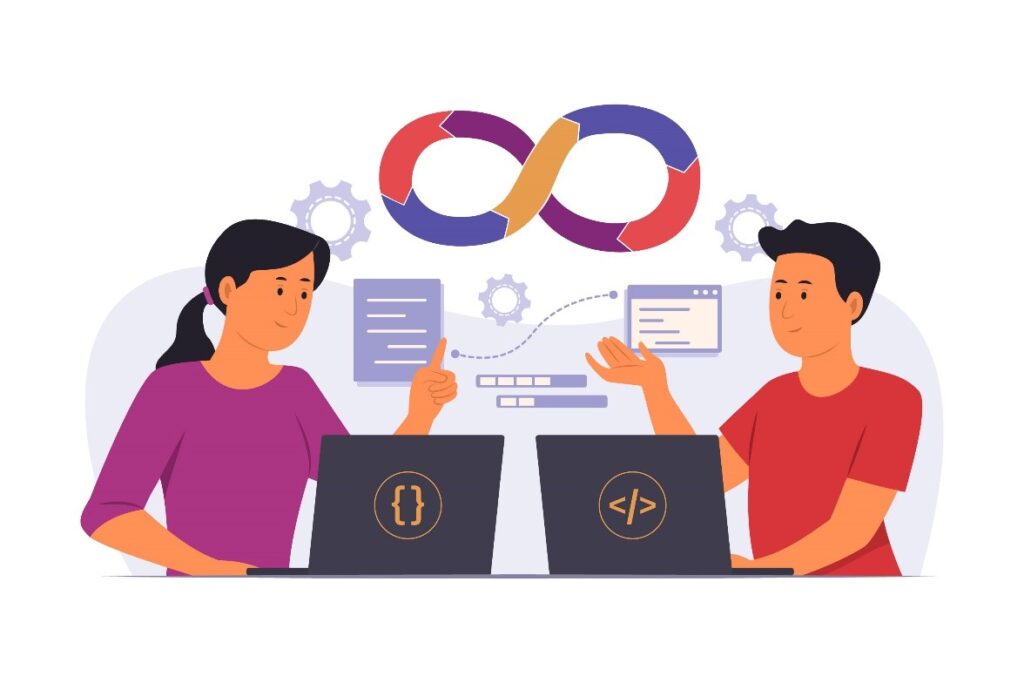
Laravel has gained significant popularity due to its numerous strengths, making it an ideal framework for outsourcing web development projects. Let’s delve into some of its key strengths:
1. Elegant Syntax for Improved Collaboration
- Laravel’s clean and expressive syntax enhances collaboration between developers. As Taylor Otwell, the creator of Laravel, states, “I wanted to create a framework that had an elegant syntax and would allow developers to express their ideas effortlessly.” This emphasis on elegance promotes teamwork, readability, and efficient code maintenance.
2. Robust Security Features for Enhanced Protection
- Laravel prioritizes the security of web applications. With built-in features such as encryption, hashing, and protection against cross-site scripting (XSS) and cross-site request forgery (CSRF) attacks, Laravel ensures robust security measures. According to a report by Cybersecurity Ventures, cybercrime damages are expected to reach $10.5 trillion annually by 2025. Choosing Laravel for outsourcing can help safeguard your application against these threats.
3. Powerful ORM for Simplified Database Interactions
- Laravel’s Object-Relational Mapping (ORM) called Eloquent simplifies database interactions. It provides an intuitive and expressive syntax for working with databases, reducing development time and effort. According to a study by Nucleus Research, using an ORM can accelerate development by up to 50%, allowing for faster delivery of high-quality applications.
Selecting the Right Outsourcing Partner

Choosing the right outsourcing partner is crucial for the success of your Laravel web development project. Consider the following factors when selecting an outsourcing partner:
1. Expertise and Experience for Seamless Delivery
- Look for an outsourcing partner with a proven track record and expertise in Laravel development. Evaluate their portfolio and assess whether they have successfully delivered similar projects in the past.
- According to a survey conducted by Statista, 75% of respondents consider expertise as the most critical factor when selecting an outsourcing partner.
2. Effective Communication and Collaboration for Smooth Workflow
- Effective communication and collaboration are vital for a smooth outsourcing experience. Ensure that your partner has clear and transparent communication channels and understands your project requirements.
- A report by McKinsey & Company suggests that effective communication and collaboration can increase productivity by 20-25%.
3. Quality Assurance and Testing for a Bug-Free Application
- Verify that your outsourcing partner follows rigorous quality assurance processes and conducts comprehensive testing. This ensures the delivery of a high-quality, bug-free application.
- According to a study by Tricentis, the average cost of fixing a software defect in the production phase is $15,000. Emphasizing quality assurance can save significant costs in the long run.
Establishing a Clear Project Scope
A well-defined project scope is essential to avoid misunderstandings and ensure that your outsourcing partner understands your requirements accurately. Establish clear project objectives, functionalities, timelines, and deliverables. Use tools such as user stories, wireframes, and prototypes to provide a visual representation of your expectations.
1. User Stories: Bridging the Gap between Business and Development
- User stories help define the project from the user’s perspective, ensuring that the development team understands the desired functionality and user experience.
- As noted by Jeff Patton, an Agile thought leader, “User stories serve as placeholders for conversations and collaboration.” By incorporating user stories into your project scope, you bridge the gap between business requirements and development implementation.
2. Wireframes and Prototypes: Visualizing the End Product
- Visual representations such as wireframes and prototypes provide a clear vision of the final product and enable effective communication between stakeholders.
- According to a survey conducted by Adobe, 67% of web development teams use wireframes and prototypes to communicate design concepts.
- It allows you to identify any gaps or necessary adjustments early in the development process, minimizing rework and saving time.
Collaboration and Documentation for Success

Successful outsourcing relies on effective collaboration and documentation throughout the development process. Encourage regular communication with your outsourcing team, conduct progress meetings, and provide timely feedback.
Maintain comprehensive documentation of the project requirements, user stories, technical specifications, and any changes made during the development process.
1. Agile Project Management for Seamless Collaboration
- Adopting an agile project management approach promotes collaboration and flexibility in the development process. It enables iterative development, frequent feedback, and continuous improvement.
- According to the State of Agile Report, 94% of organizations practicing agile project management report faster project delivery.
2. Comprehensive Documentation for Clarity and Consistency
- Documenting project requirements, decisions, and progress ensures clarity and consistency throughout the outsourcing journey.
- It serves as a valuable reference for both the development team and stakeholders, reducing misunderstandings and minimizing risks of project failure. As Peter Drucker famously said, “If you can’t measure it, you can’t improve it.”
Testing and Quality Assurance for Robust Applications
Quality assurance is critical to delivering a robust and bug-free web application. Establish clear testing protocols and ensure that your outsourcing partner conducts rigorous testing throughout the development lifecycle. Encourage the use of automated testing frameworks, such as PHPUnit, to improve efficiency and reliability.
1. Test-Driven Development (TDD) for Early Bug Detection
- Test-Driven Development (TDD) is an effective practice that involves writing tests before implementing features. It helps catch bugs early in the development cycle, reducing the cost and effort of fixing them later.
- As Kent Beck, the creator of Extreme Programming, states, “I get paid for code that works, not for tests, so my philosophy is to test as little as possible to reach a given level of confidence.”
2. Continuous Integration and Deployment (CI/CD) for Efficiency
- Implementing a CI/CD pipeline automates the build, testing, and deployment processes, resulting in faster and more efficient development cycles. It ensures that changes are tested and deployed reliably, reducing the chances of human error.
- According to a survey by Puppet, high-performing IT teams deploy code 46 times more frequently than low performers.
Post-Development Support and Maintenance
After the initial development phase, ongoing support and maintenance are crucial for the long-term success of your web application. Ensure that your outsourcing partner provides post-development support, including bug fixes, security updates, and scalability enhancements.
1. Dedicated Support Team for Timely Issue Resolution
- Having a dedicated support team readily available ensures timely resolution of issues, reduces downtime, and keeps your application running smoothly.
- As Robert Half once said, “The road to success is always under construction.” Ongoing support and maintenance contribute to the continuous improvement and success of your Laravel application.
2. Scalability Planning for Future Growth
- Consider the future scalability needs of your web application. A well-designed Laravel application can easily accommodate growth, but proactive planning and architecture considerations are vital.
- Ensure that your outsourcing partner understands and plans for future scalability requirements. As Bill Gates wisely stated, “Success is a lousy teacher. It seduces smart people into thinking they can’t lose.”
FAQ
Q1: Why is web development outsourcing beneficial for businesses?
Web development outsourcing offers several benefits for businesses, including access to specialized expertise, cost savings, faster development cycles, and scalability. By outsourcing web development, companies can focus on their core competencies while leveraging the skills of experienced professionals.
Q2: What makes Laravel a powerful framework for web development outsourcing?
Laravel is a powerful PHP framework known for its elegant syntax, robust security features, and powerful ORM (Object-Relational Mapping). It offers efficient collaboration, enhances security, simplifies database interactions, and provides a comprehensive toolset for rapid development.
Q3: How can Laravel’s elegant syntax improve collaboration in outsourcing projects?
Laravel’s clean and expressive syntax improves collaboration by making the codebase easier to read and understand. This enhances teamwork, facilitates code reviews, and simplifies knowledge sharing among developers, resulting in smoother collaboration during outsourcing projects.
Q4: How does Laravel ensure the security of web applications in outsourcing projects?
Laravel provides built-in security features, including encryption, hashing, and protection against common security vulnerabilities such as XSS and CSRF attacks. By leveraging Laravel’s security mechanisms, outsourcing partners can develop applications with robust security measures in place.
Q5: What should businesses consider when selecting an outsourcing partner for Laravel development?
When choosing an outsourcing partner for Laravel development, businesses should consider factors such as the partner’s expertise and experience with Laravel, their communication and collaboration capabilities, their quality assurance and testing processes, and their project management capabilities.
Q6: How can clear project scope contribute to successful outsourcing of Laravel projects?
A clear project scope helps ensure that both the outsourcing partner and the business have a shared understanding of project objectives, functionalities, timelines, and deliverables. This reduces misunderstandings, aligns expectations, and facilitates a smoother development process.
Conclusion:
Outsourcing web development projects with Laravel unleashes the power of a robust framework and specialized expertise, allowing businesses to achieve their goals efficiently. By understanding and leveraging Laravel’s strengths, selecting the right outsourcing partner, establishing clear project scopes, promoting collaboration and documentation, emphasizing testing and quality assurance, and planning for post-development support, businesses can embark on a successful web development outsourcing journey. Laravel’s features and ecosystem provide a solid foundation for building secure, scalable, and high-performing web applications. Embrace the power of Laravel and unlock endless possibilities for your outsourcing endeavours.